
✅ Clinical Rationale
- Yoga as Adjunct Therapy: Studies show yoga is as effective as traditional muscle-strengthening exercises in reducing knee pain from osteoarthritis.
- Holistic Benefits: Beyond physical relief, yoga improves balance, flexibility, and mental well-being, which are crucial for elderly patients.
🧩 Recommended Yoga Poses
These poses are gentle, low-impact, and physiotherapist-approved for seniors:
| Pose Name | Benefits |
|---|---|
| Urdhva Tadasana | Strengthens leg muscles, improves posture and balance |
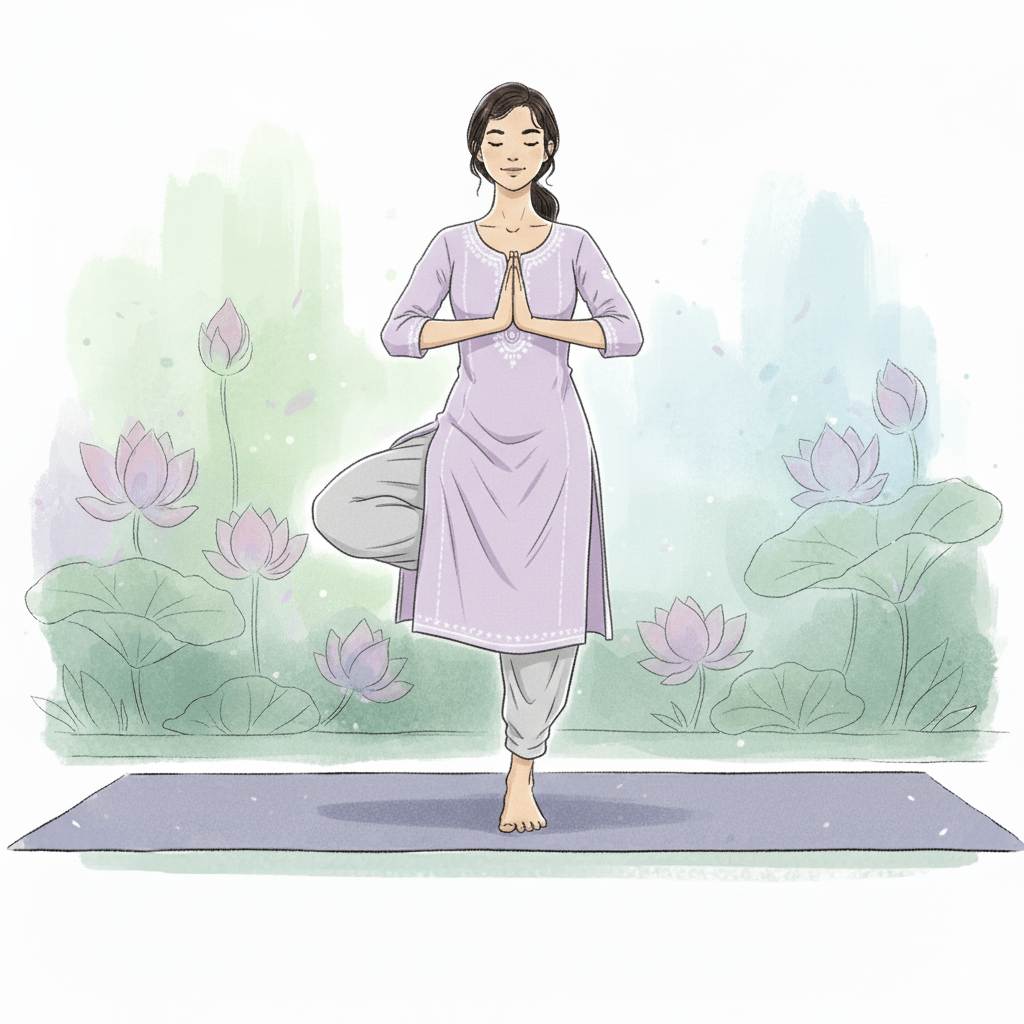
| Vrikshasana (Tree Pose) | Builds thigh and calf strength, enhances knee stability |
| Setu Bandhasana | Activates hamstrings, glutes, and quads; reduces stress on knees |
These poses should be modified based on the patient’s mobility and pain threshold. Props like chairs or walls can be used for support.
🧠 Mindfulness & Breathwork
- Pain Management: Breath awareness and relaxation techniques help reduce pain perception and stress.
- Mental Health: Yoga has been shown to modestly reduce depression and improve quality of life in elderly patients with knee pain.
🩺 Doctor’s Role in Integration
- Assessment First: Evaluate the patient’s joint condition, mobility, and pain level.
- Collaborate with Yoga Therapists: Refer to certified instructors trained in therapeutic yoga for seniors.
- Monitor Progress: Use tools like the WOMAC index or VAS scale to track pain, stiffness, and function over time.
- Combine with Other Modalities: Yoga works best when paired with physical therapy, dietary adjustments, and possibly Ayurvedic treatments like Janu Basti.
 Free Your Hours
Leave a comment